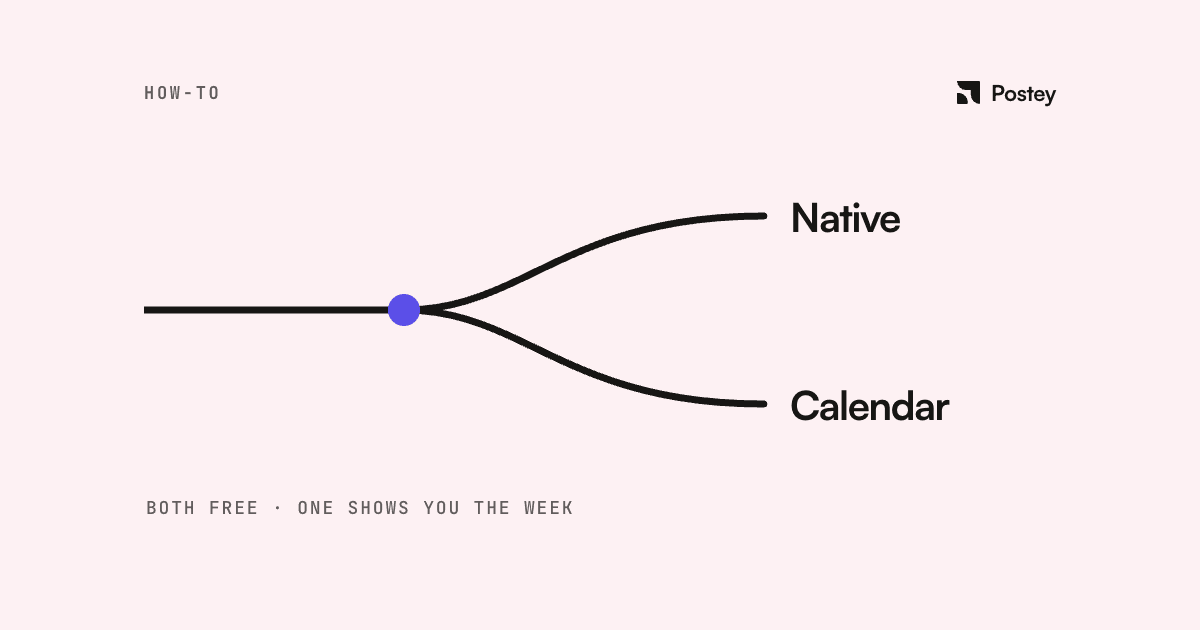
Two free ways to schedule Instagram posts in 2026: Instagram's native scheduler (free, 25 posts/day, single-account) and a third-party free tier with a visible calendar. Here is what each one does, and which to pick.
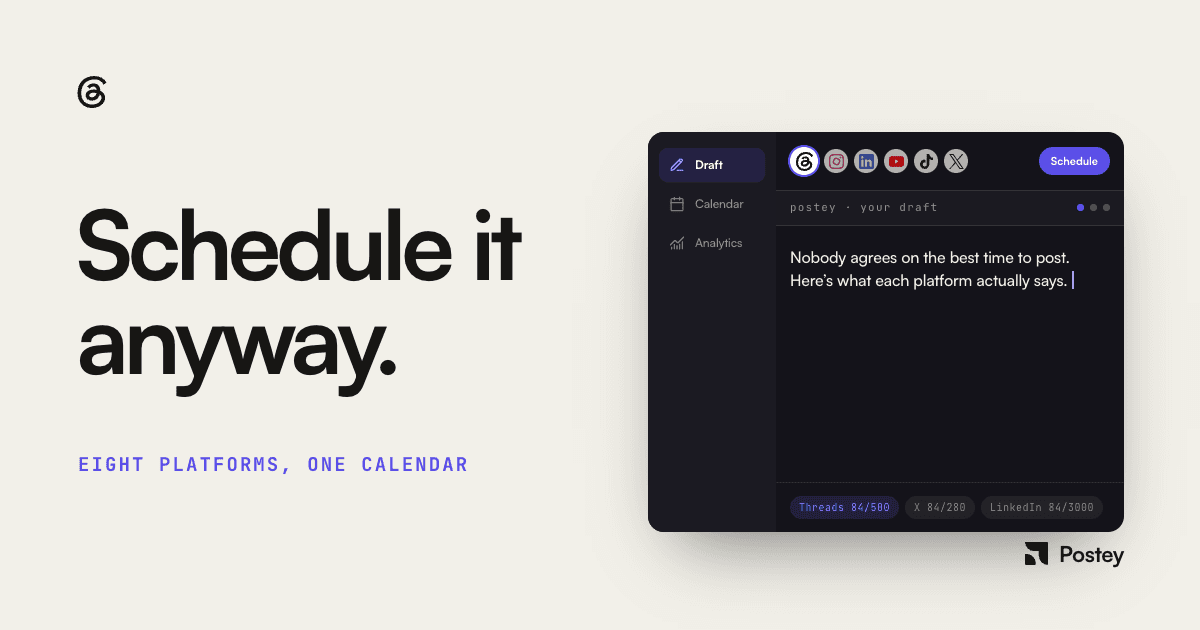
Meta shipped native Threads scheduling in 2024. Meta's own live support assistant told us today it doesn't exist. The murky state of Threads scheduling, and how to get reliable results anyway.
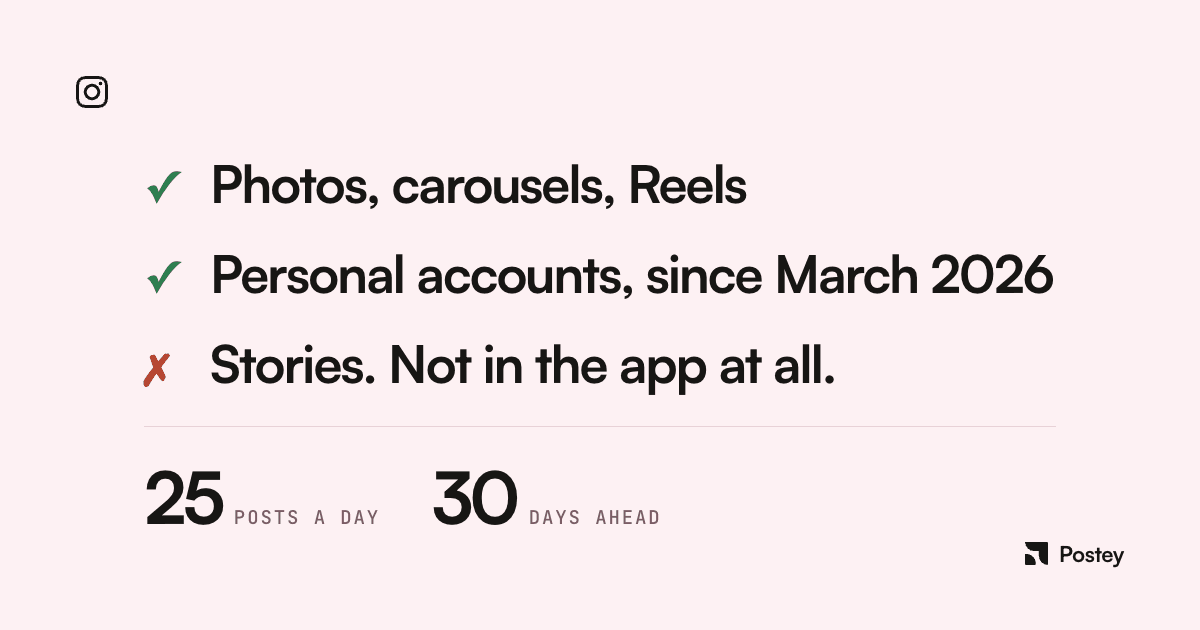
Yes, since March 2026 even personal accounts can schedule Reels, photos, and carousels natively. Stories still cannot be scheduled in-app. What native IG scheduling covers, and where it stops.
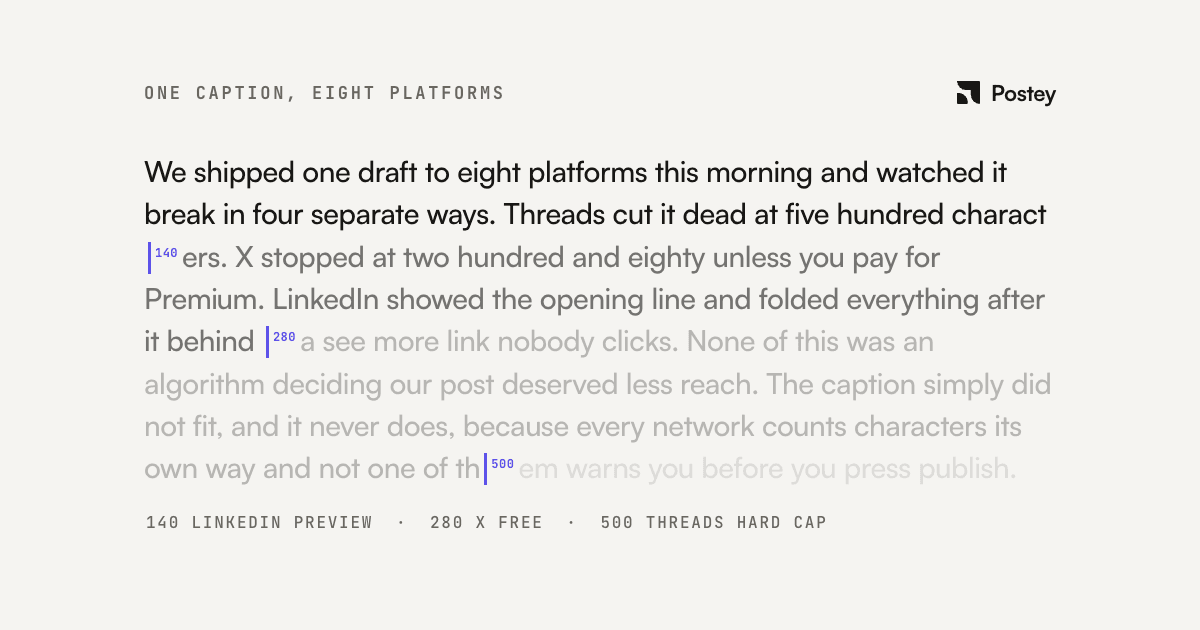
One platform has confirmed a cross-posting penalty, and it's not the one most people assume. Everything else that breaks is math: character limits, aspect ratios, and hashtag norms that don't travel.
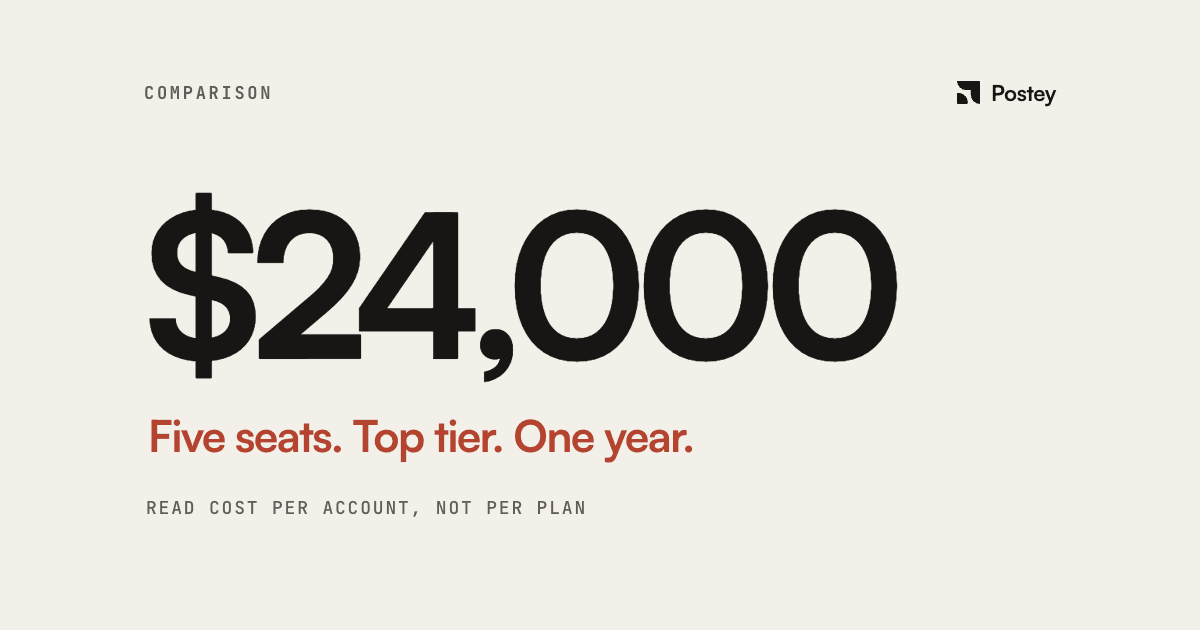
Hootsuite's top tier runs $399 per seat, per month: nearly $24,000 a year for a five-person team before add-ons. Most schedulers do the same core job; the honest comparison is about who they're actually built for.
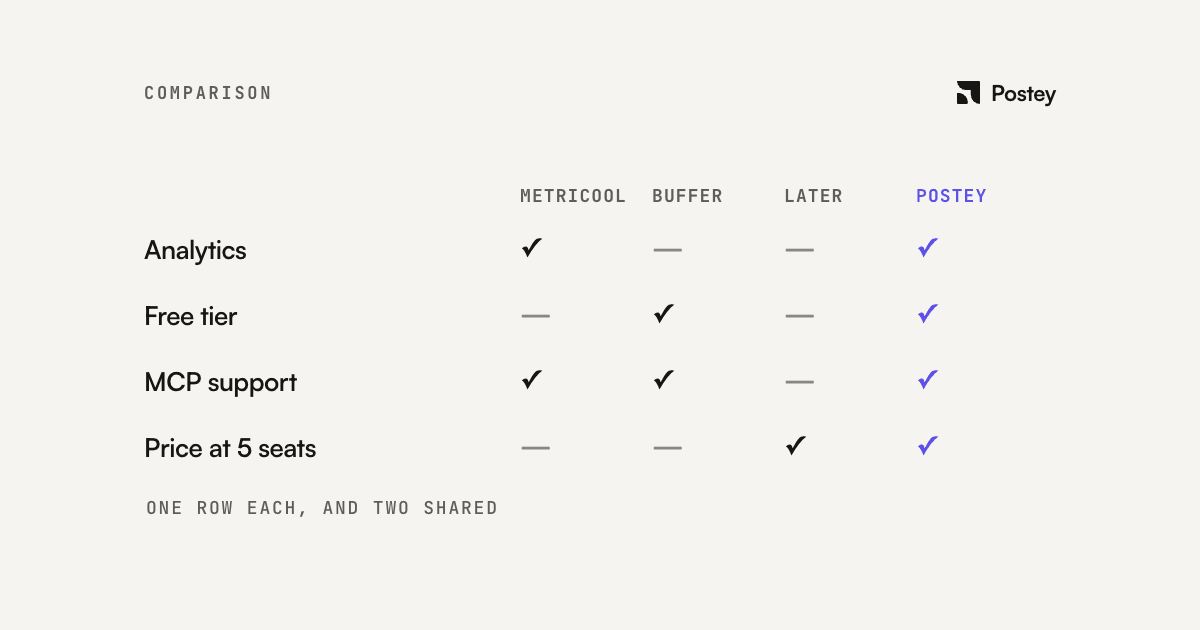
Buffer already runs its own MCP server, so the old "Postey is the only AI-agent scheduler" pitch is wrong on the facts. Here's an honest head-to-head across the four tools, including where the competitors are genuinely ahead.
Choosing between Postey and Hootsuite for Twitter scheduling? This head-to-head comparison covers features, pricing, and ease of use so you can pick the right tool for your workflow.
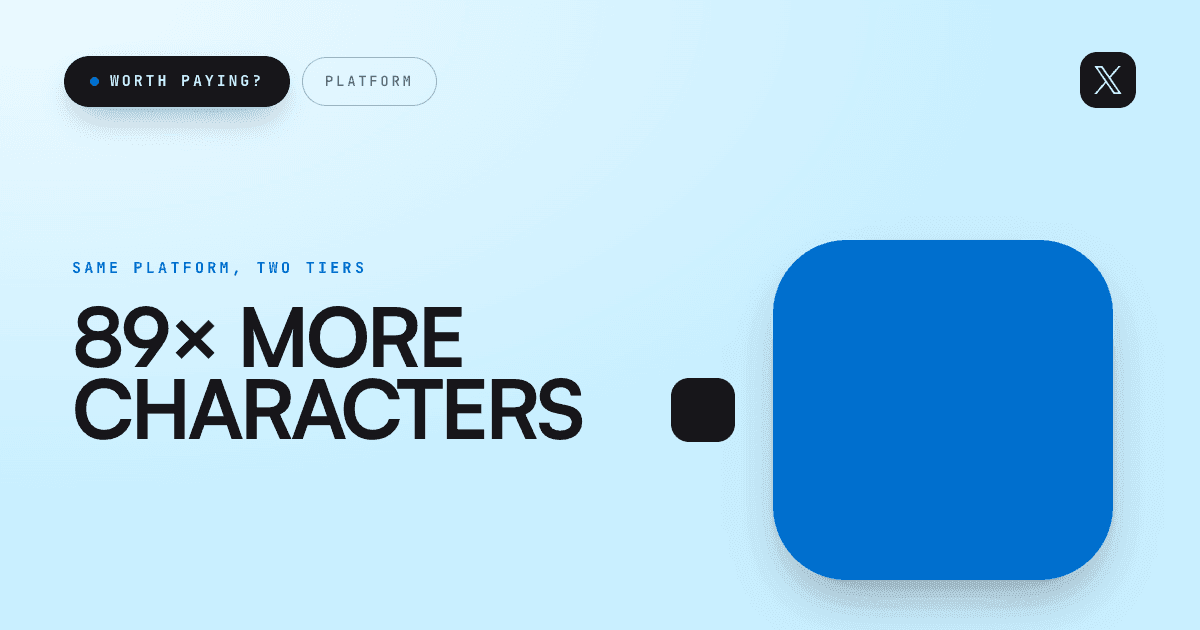
X Premium at $8/month and Premium+ at $16/month: what's in each tier, the real eligibility numbers for Ad Revenue Share and Creator Subscriptions, and a three-test framework for deciding if upgrading is worth it.
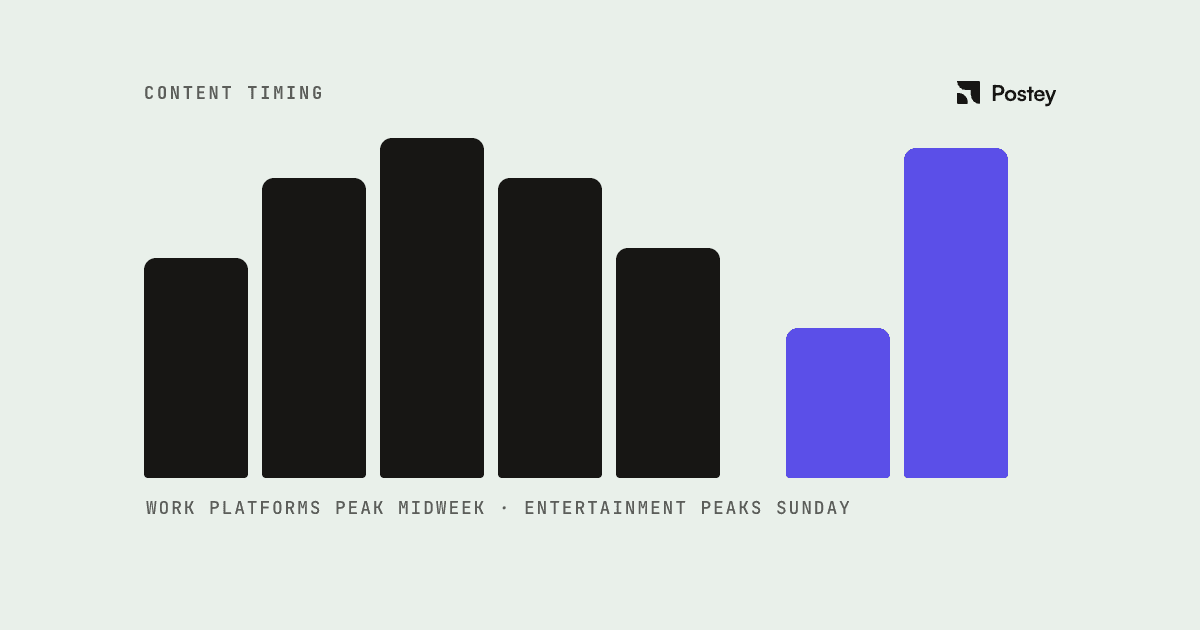
The two biggest datasets in social media disagree on whether Sunday is the best day or the worst. Here's the per-platform picture, and the one rule that survives every study.
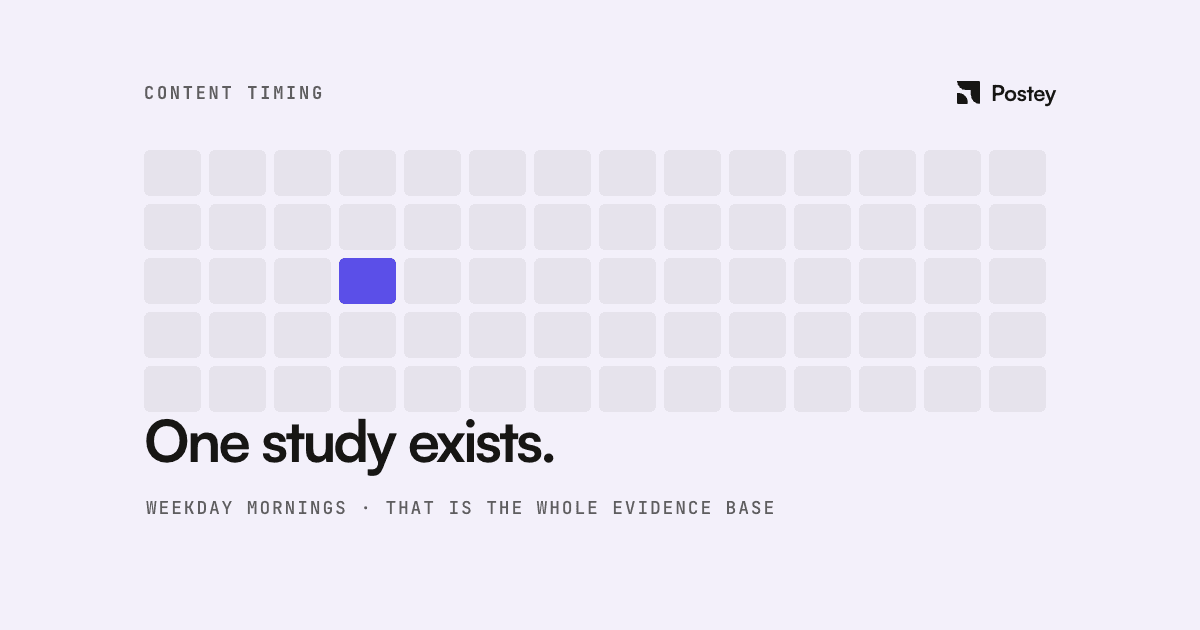
There is exactly one credible study on Threads timing. Everything else is Instagram advice with the logo swapped. Here's the real dataset, and why Threads is the rare platform where timing matters more, not less.
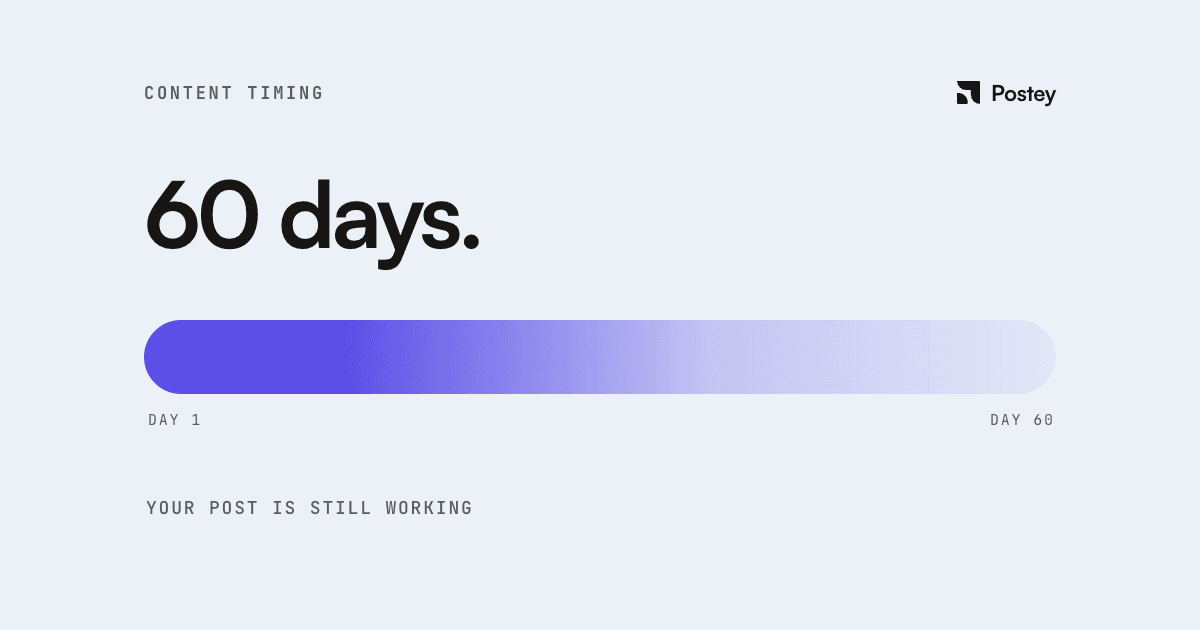
LinkedIn is the one platform deliberately making posting time matter less: its feed now surfaces posts for months. Here's what 4.8 million posts say about timing, and what actually moves reach.
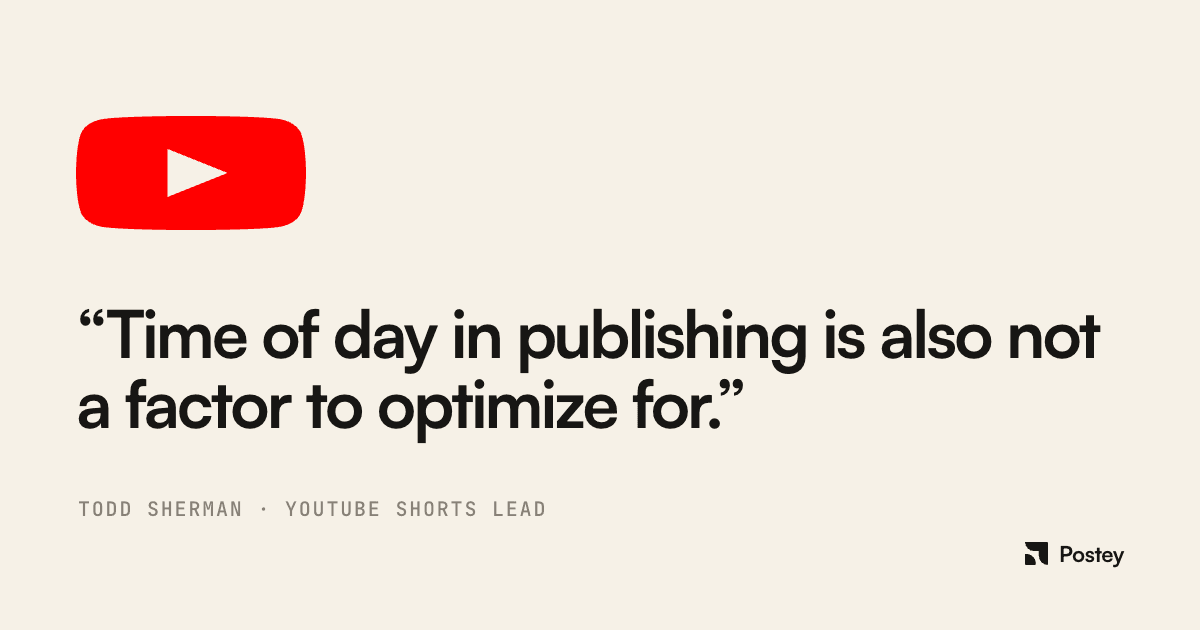
YouTube has answered the timing question on the record, twice. The content industry keeps ignoring the answer because the honest version kills the listicle.