Sprout Social analyzed two billion engagements and found Sunday is the worst day to post.
Buffer analyzed 52 million posts and found TikTok's best slot is Sunday at 9 a.m., with YouTube long-form peaking Sunday at 10.
Both datasets are enormous and recent. If "the best day" were a fact about platforms instead of datasets, this couldn't happen. Here's the per-platform picture, plus the one lesson the roundup articles never draw.
The per-platform best days, with receipts
- Instagram: Wednesday (Buffer), Tuesday and Wednesday (Sprout). Midweek is safe; weekends sag.
- LinkedIn: working weekdays. Buffer's freshest data favors Wednesday and, surprisingly, Friday afternoons; Sprout says Tuesday through Thursday.
- X and Threads: midweek. Buffer puts Wednesday first on both; its Threads study of 2.5 million posts found 6 to 11 a.m. strongest.
- Facebook: Wednesday again (Buffer), and Facebook is quietly resurgent, with Metricool measuring reach up 51% year over year.
- TikTok: Buffer says Saturday and Sunday; Sprout says Tuesday through Friday afternoons and calls Saturday an algorithmic dead zone. The disagreement is total: For You delivery makes days nearly irrelevant.
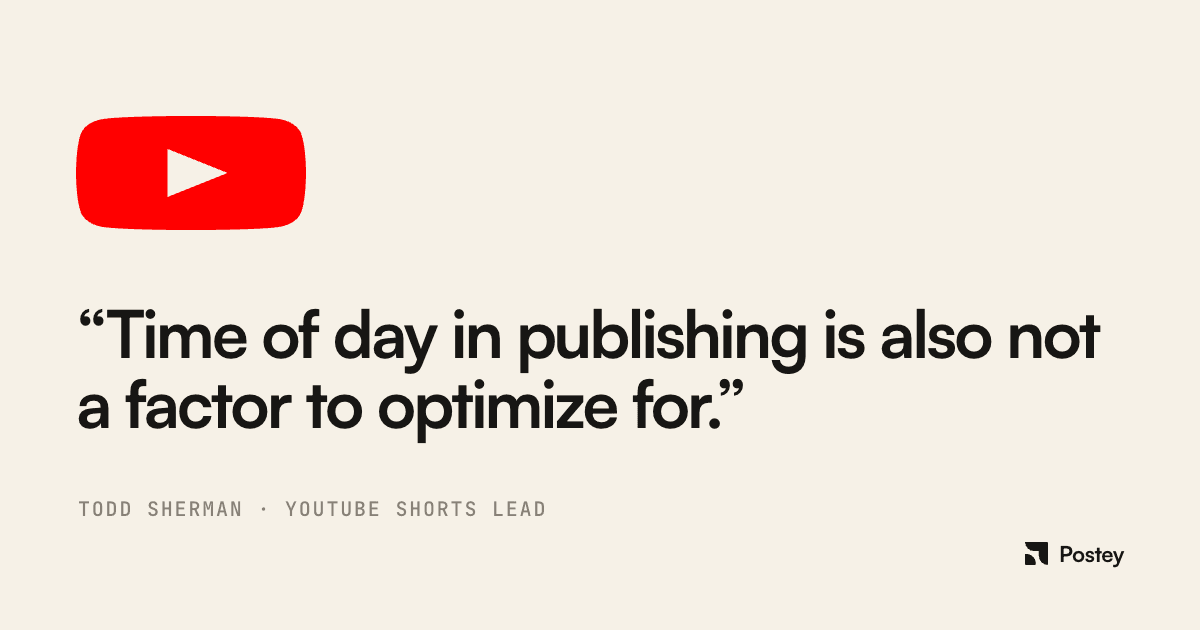
- YouTube: long-form Sunday morning (Buffer) or weekday afternoons (SocialPilot); for Shorts, YouTube's own product lead says timing isn't a factor worth optimizing.
The one rule that survives every dataset
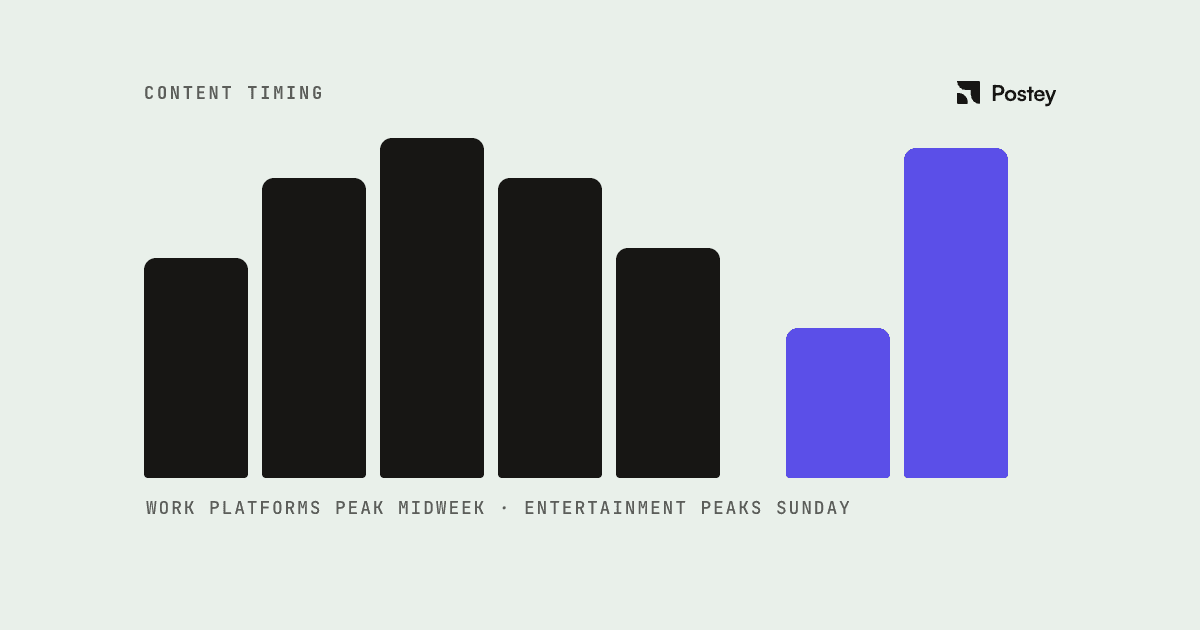
Professional platforms follow the workweek. Entertainment platforms follow leisure time. That's the entire durable finding: LinkedIn on a Tuesday beats LinkedIn on a Sunday in every study, while TikTok and YouTube, watched on couches on weekends, are the only places Sunday wins.
Beyond that split, the studies mostly measure their own user bases. The midweek-morning "consensus" partly measures when brands post, not when audiences respond, a confound none of the big studies control for.
Why the metric flips the answer
RivalIQ's benchmark measured X brand engagement down 48% in a year, while Buffer's median-engagement data showed X up 44%. Same platform, same era, opposite verdicts, because one measures engagement rate per follower for brands, the other median engagement per post for everyone. A chart without a stated metric, sample, and date range is decoration.
Build a week you can actually sustain
- Anchor business content midweek and let entertainment content roam into weekends.
- Schedule the whole week in one sitting. Deciding days in advance is how the streak survives busy weeks. Buffer's 52-million-post conclusion: posting at all beats posting perfectly.
- Stagger one idea across platforms on different days: LinkedIn Wednesday, Threads Thursday morning, the weekend clip for TikTok. One Postey draft becomes per-platform versions, so a single idea fills half the calendar honestly.
- After a month, pull your own by-day numbers and let them overrule this article. Your audience is the only dataset that matters.
The best day to post is a smaller decision than the internet pretends. Split work-platforms from play-platforms, protect your consistency, and spend the saved energy making something worth opening. If scheduling the week is the part you keep skipping, let Postey do it.