The most useful thing to know about the Instagram algorithm is that it doesn't exist.
Instagram runs separate ranking systems for Feed, Stories, Explore, and Reels. That's Instagram's own documentation, still the canonical reference. Feed predicts about a dozen interactions. Stories rank on your history with each account. Explore weighs popularity far more than Feed does. Reels chase watch time. Advice that treats them as one machine is wrong before it starts.
The three signals Instagram actually confirmed
In January 2025, Adam Mosseri named the hierarchy outright: watch time, likes, and sends. One nuance: likes matter slightly more for connected reach (followers), sends slightly more for unconnected reach (strangers). His advice to creators was to watch three ratios: average watch time, likes per reach, sends per reach.
Notice what's missing: comments. Every "comment-bait boosts you 3x" guide is selling a signal the platform doesn't list in its top three. Mosseri has called sends per reach the metric that correlates with overall reach "more than anything else." If you optimize one number in 2026, make it that one: would someone send this to a friend?
Originality is enforced, not suggested
Since the April 2024 originality update, Instagram replaces reposted content with the original in recommendations, and accounts posting unoriginal content 10 or more times in 30 days are removed from recommendation surfaces entirely. Watermarked Reels, including TikTok logos, get less visibility. Small original creators got an explicit boost: eligible Reels now go to a small test audience first and expand in tiers based on engagement.
Hashtags are officially over as a reach tool
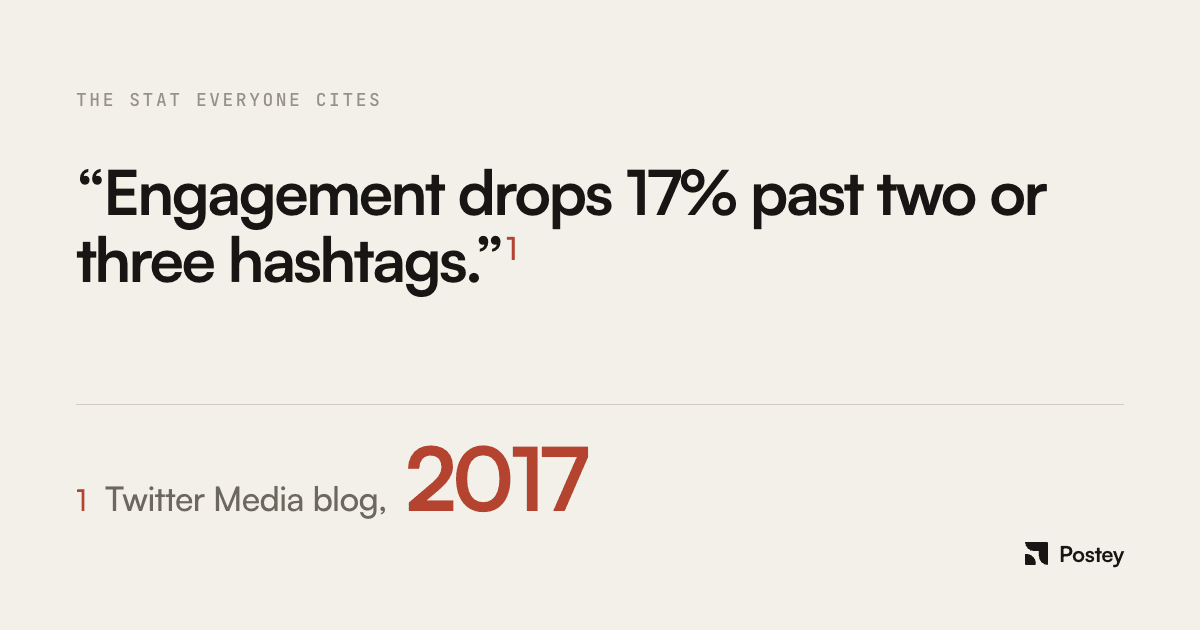
Mosseri has said this for years, and in October 2025 said it plainly: hashtags are "not going to improve your reach." In December 2025 Instagram settled the debate by capping hashtags at five per post. Discovery now runs on caption keywords, shares, and (since July 2025) Google indexing of professional accounts' public content. Write captions using the words people actually search instead of stacking hashtags.
2026's real change: users tune the algorithm themselves
The headline shift this year isn't a new formula. It's "Your Algorithm": feed controls, "show more like this" buttons, and ranking users can steer in plain language. Mosseri wants it "central to your experience." For creators, the implication is bigger than it sounds: you can't hack a preference the viewer sets. The only strategy that survives user-controlled ranking is making the kind of content people actively want more of.
Claims that rank well and are simply invented
- "DM sends weigh 3 to 5x more than likes": Mosseri said sends matter slightly more for unconnected content. The multiplier is fiction.
- "The first 90 minutes decide your reach": appears in no Instagram statement; Reels distribution explicitly ramps over days.
- "Low-quality video gets downranked": that's inverted. Videos few people watch get cheaper encoding, not lower ranking.
- Any fixed percentage attached to any signal. Instagram has never published weights: "thousands of signals" is the only number it stands behind.
What to do with the confirmed picture
- Make sendable things. Sends per reach is what matters most: useful, funny, or specific enough to feel addressed to one person.
- Post original work, uncropped by watermarks, and let Reels breathe for days before judging them.
- Put keywords where hashtags used to go. Five targeted tags maximum: the cap decides that now.
- Track watch time, likes per reach, and sends per reach monthly: the three ratios Mosseri named.
The Instagram algorithm in 2026 is unusually legible: three confirmed signals, an originality rule with a number attached, a hashtag debate ended by decree, and a control panel in users' hands. Everything else is someone's invented percentage. Build for the confirmed picture, and ignore the rest while you do. Try Postey when you're ready to make consistent posting automatic.